


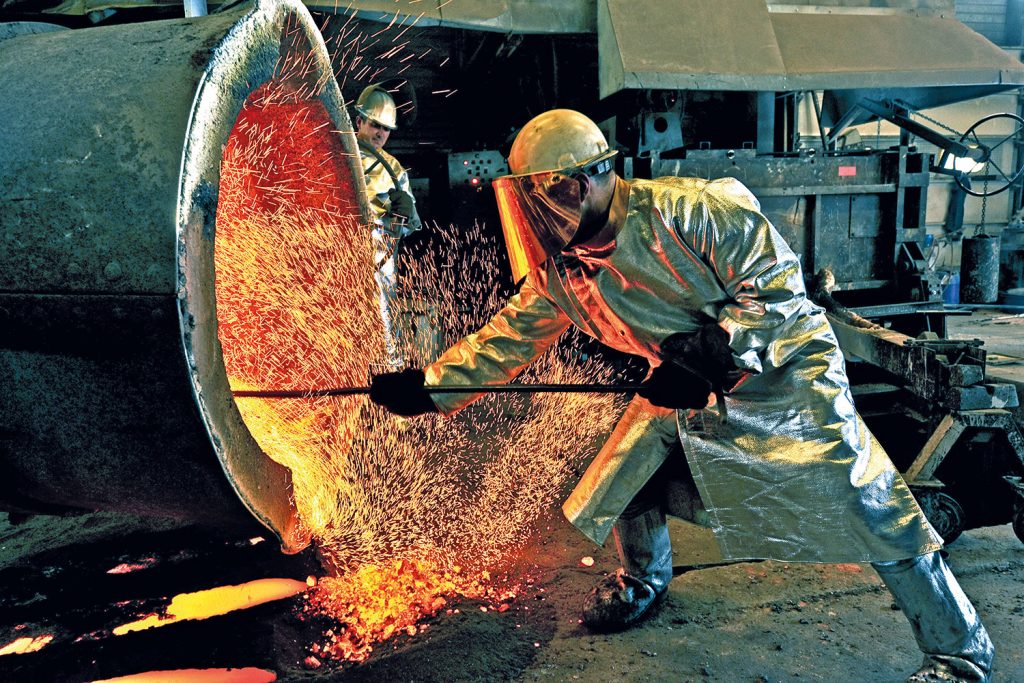
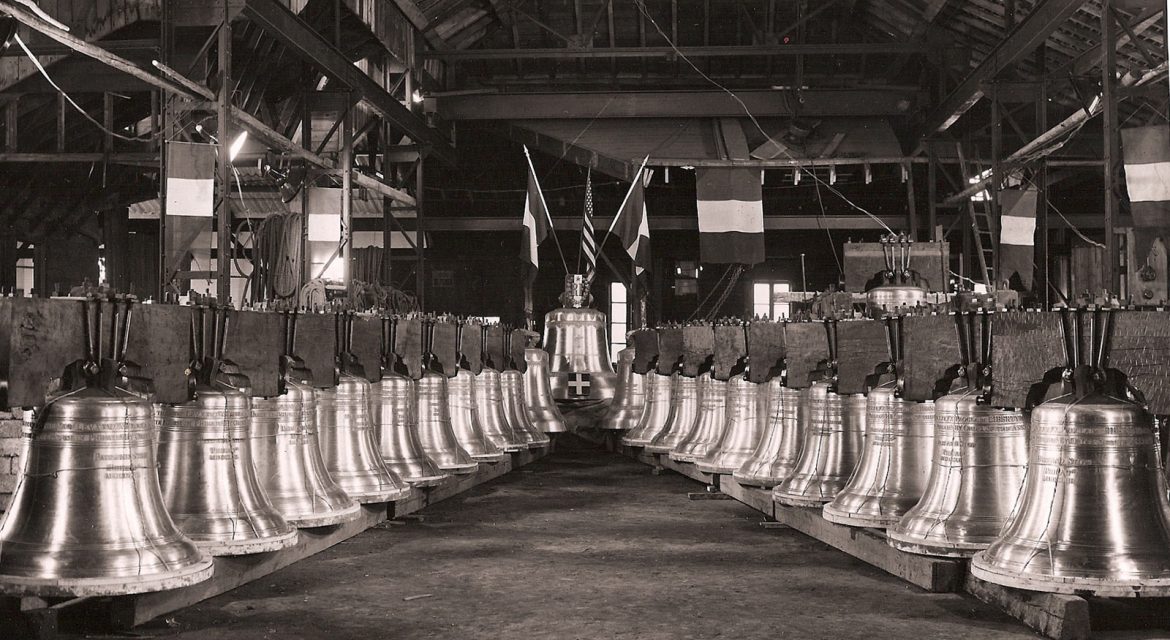

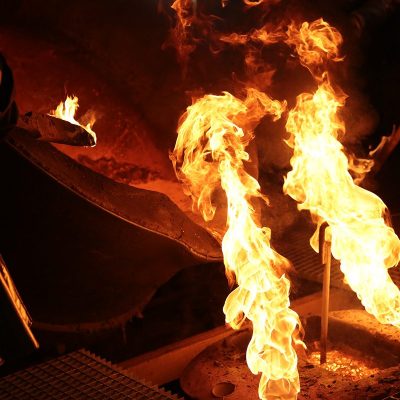
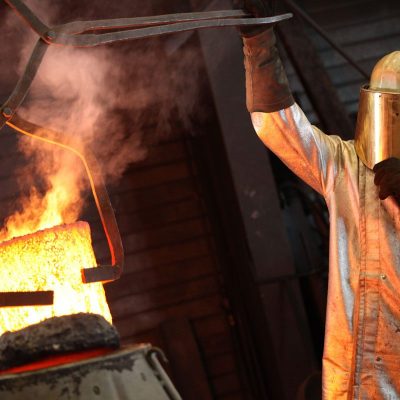

À l'occasion du week-end Pascal, découvrez le reportage réalisé par France 3 sur le savoir-faire d'une entreprise Haut-Savoyarde qui porte les couleurs de la France dans le monde entier : la Fonderie PACCARD. Créée en 1796 à Quintal, l'entreprise a déménagé une première fois, en 1854, à Annecy-le-Vieux, puis, en 1989, à Sevrier. En 1984, la Maison PACCARD crée un musée ouvre ses portes dimanche et lundi…

La famille Paccard, détentrice des secrets de fabrication jalousement gardés de l’une des dernières fonderies de cloches de l’Hexagone, a été conduite à exporter ses talents : 80% de sa production est vendue à l’étranger (Etats-Unis, Canada, Australie, Espagne, Vietnam…). Et la marque plus de deux fois centenaire garantit "une parfaite musicalité et une qualité irréprochable" à ses cloches. Pour ce document du magazine "13h15 le samedi", signé Marion Baillot, James de Caupenne et Guillaume Salasca, la famille Paccard a ouvert les portes de sa fonderie et levé le voile sur une commande exceptionnelle : six cloches au décor particulièrement soigné à l’attention d’une abbaye américaine de moines catholiques.
https://www.france.tv/france-2/13h15-le-samedi/1087091-les-toques-des-cloches.html